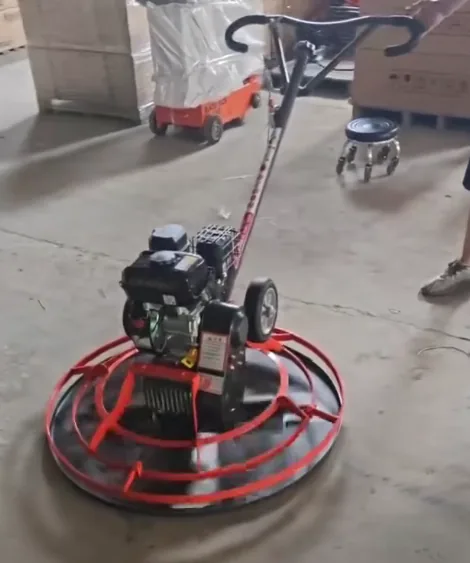
Walk-Behind Power Trowel — 1000 mm Disc
Machines for placing, compacting and finishing concrete floors: walk-behind and ride-on power trowels, petrol vibrating screeds for levelling, hand floats for finishing, and floor scarifiers for surface preparation and coating removal.
Showing 9 models in Concrete Floor Equipment.
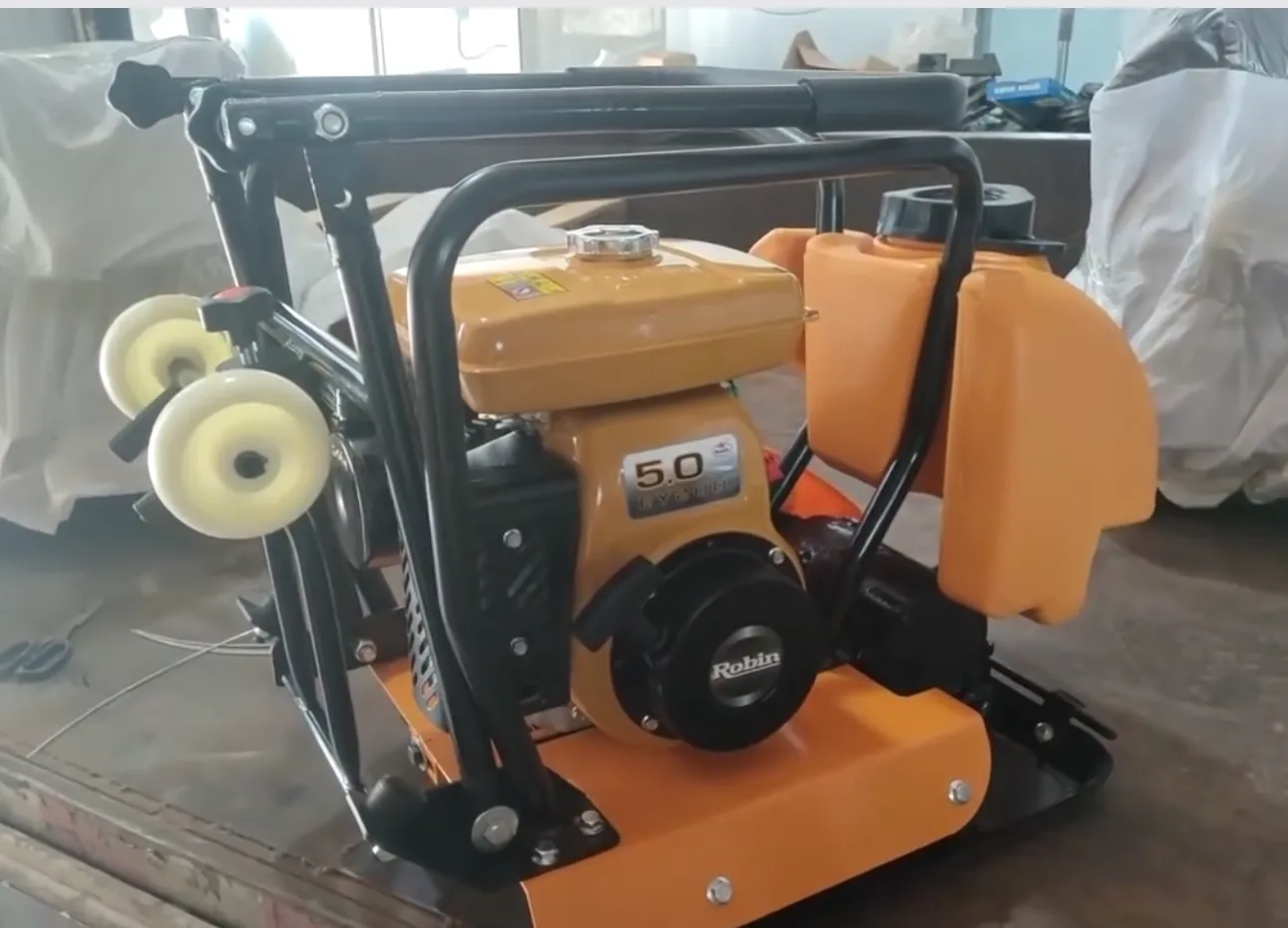
More questions are answered on the FAQ page.
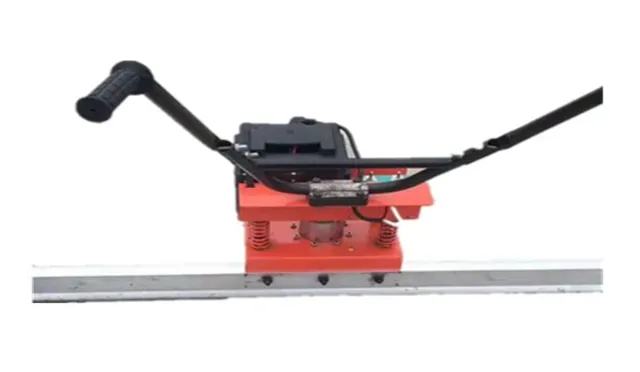
They work at different stages of the same slab. A vibrating screed strikes off and compacts wet concrete immediately after pouring, removing the high spots and driving out air. A power trowel then works the surface after it has begun to set, floating it and then bringing up a hard, closed finish. Using a trowel on a slab that has not been screeded properly is what produces an uneven floor.
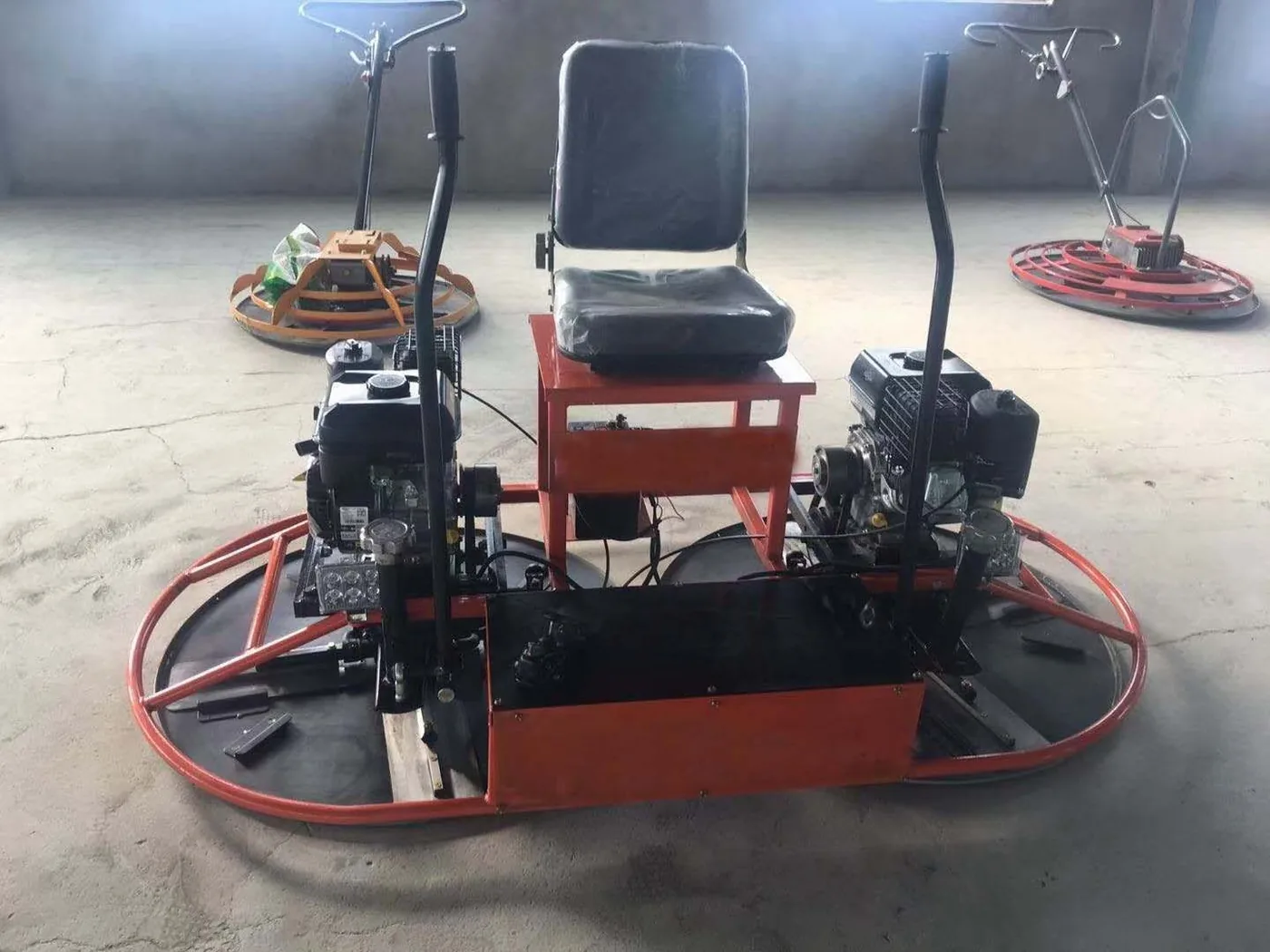
A walk-behind trowel with a 1000 mm disc suits slabs a few hundred square metres at a time and costs a fraction of a ride-on machine. A ride-on trowel covers roughly 2,500 m² per day with two 800 mm rotors on a 1600 mm working width, so it becomes worthwhile on large warehouse and yard slabs where operator fatigue and time are the limiting factors.
It finishes the strip along walls, columns and openings that a full-size trowel cannot reach because its guard ring fouls the obstruction. The edging machine runs a 570 mm disc at about 110 rpm and weighs 55 kg, so it is light enough for one operator to work along a wall line.
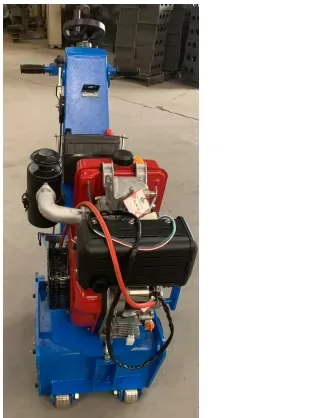
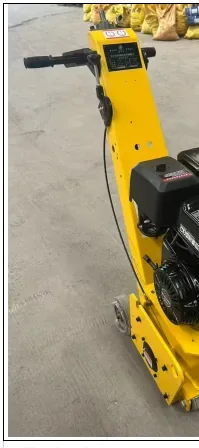
A scarifier removes material by impact rather than abrasion. It carries a rotating drum of cutters that mill a controlled depth — 1 to 6 mm on the 250 mm model and up to 20 mm on the 350 mm and 500 mm models — which is how you strip coatings, level a slab or key a surface for a new topping without loading abrasive discs with gum.
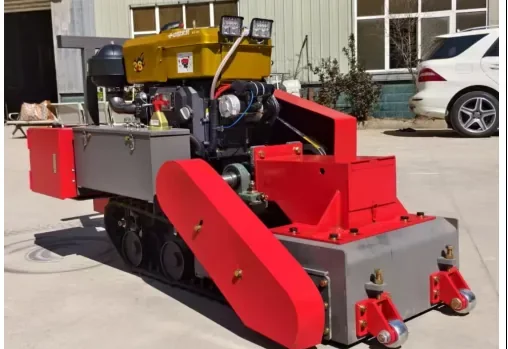
When the working width or the depth of cut makes the machine too heavy to steer by hand. The 500 mm remote-control machine weighs 800 kg and planes up to 20 mm deep with 198 cutters; the operator stands clear of the dust and the drum.
Tell us the capacity, the power supply you have and the destination port. We will confirm which model in this line fits and quote it with packing dimensions.