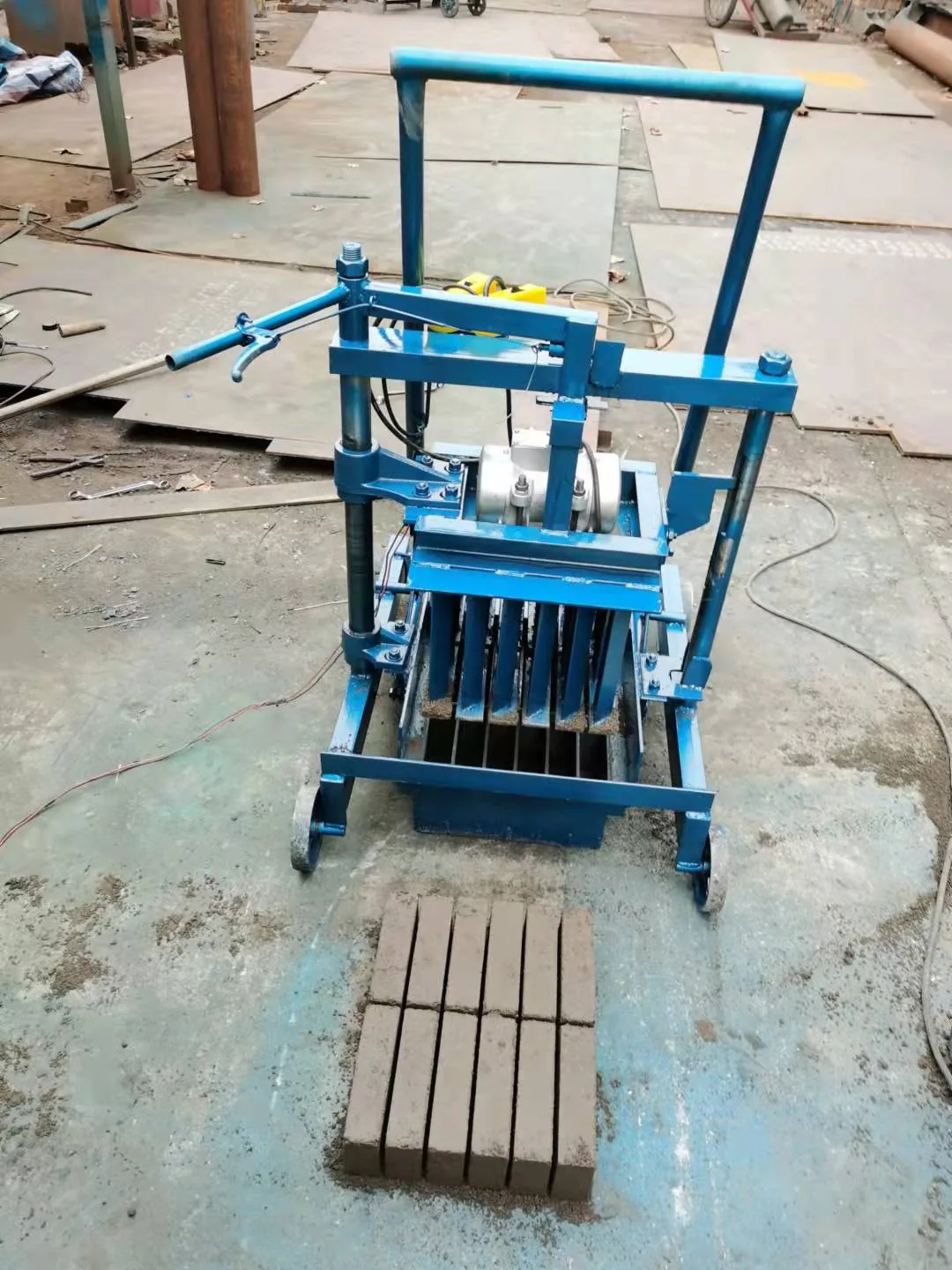
R2-45 Small Mobile Block Making Machine
Mobile and stationary block moulding machines driven by vibration motors, available in electric and diesel versions with optional charging hoppers. Each machine ships with one mould box; additional mould profiles for hollow blocks, pavers and custom shapes are quoted separately.
Related guides: How to Choose a Block Making Machine · Portable Block Making Machine: Small Yard Guide
Tool: work out which model covers your output per shift
Showing 8 models in Block Moulding Machines.
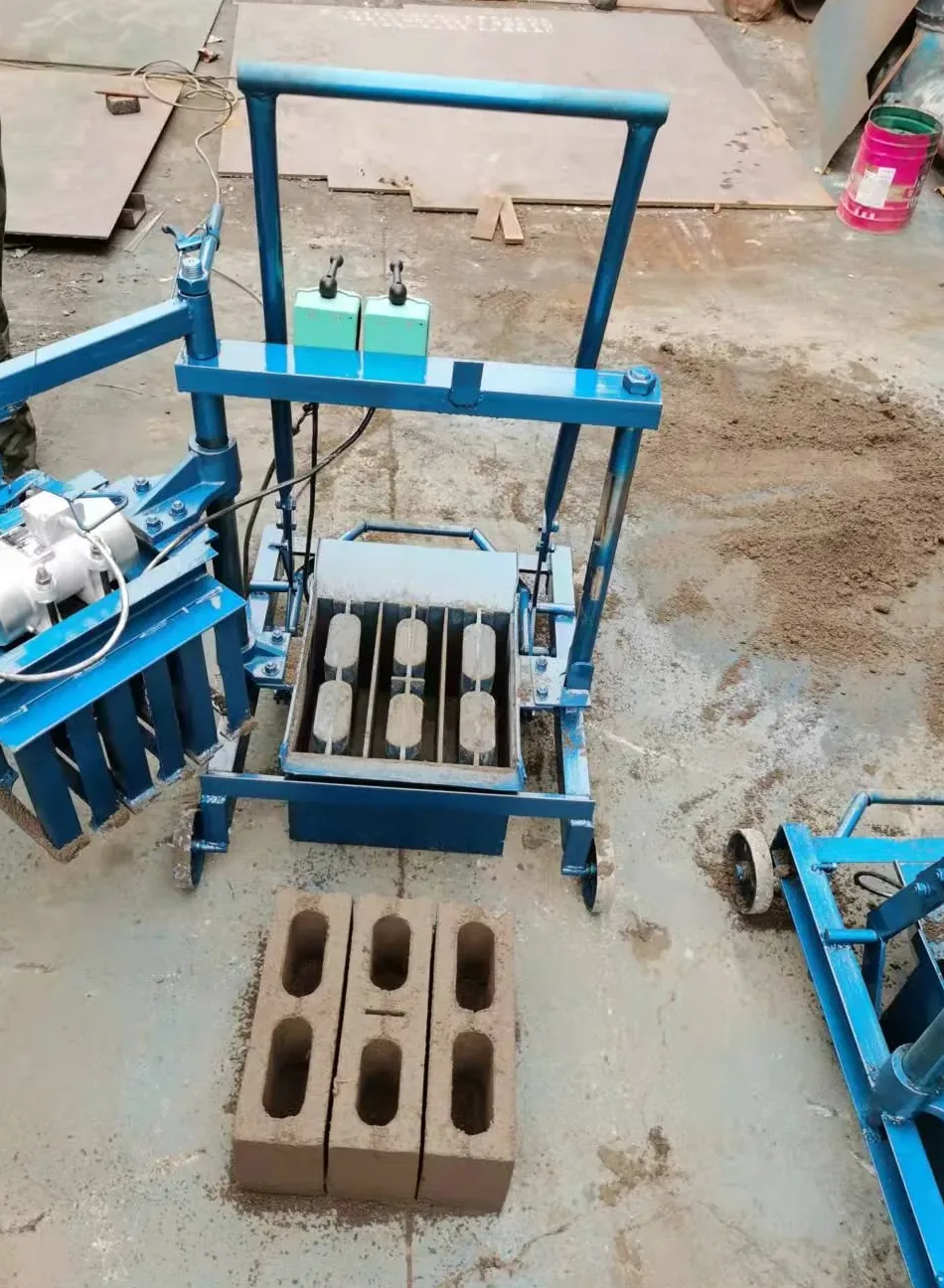
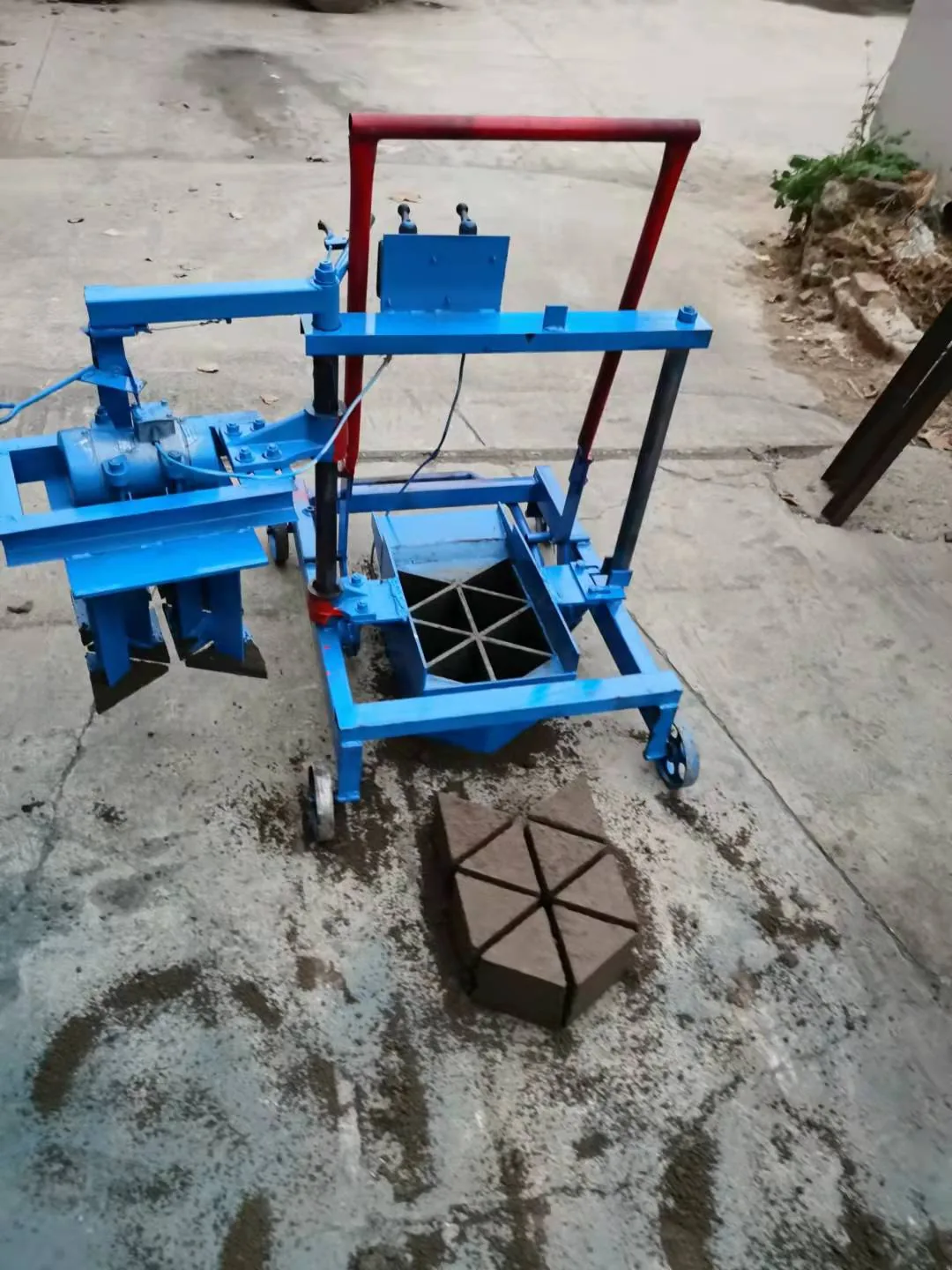
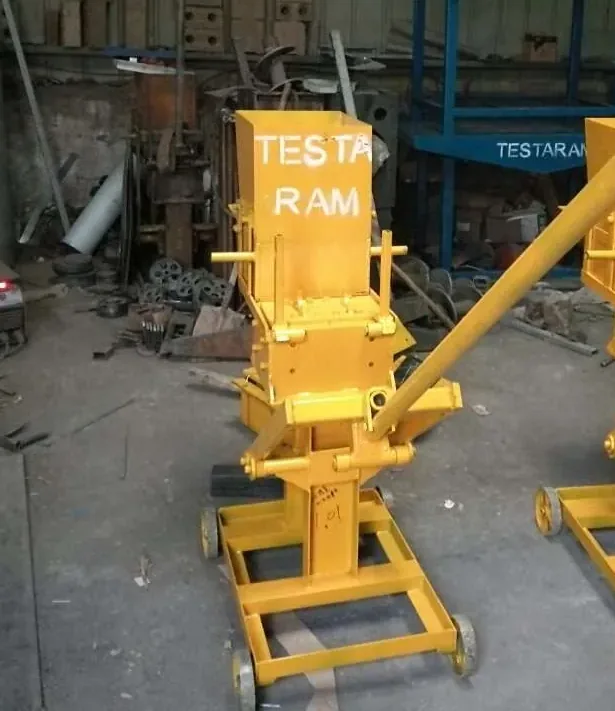
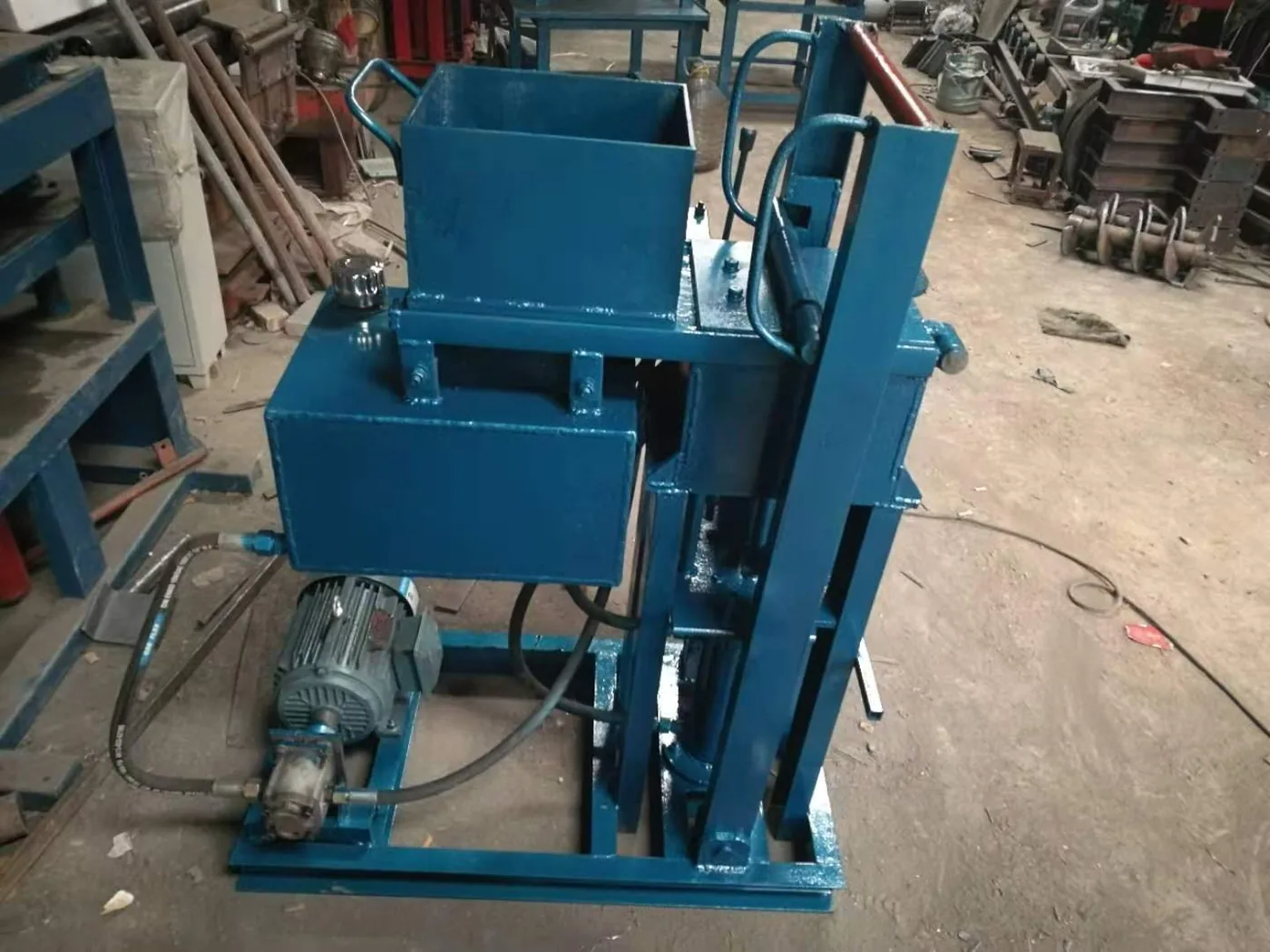
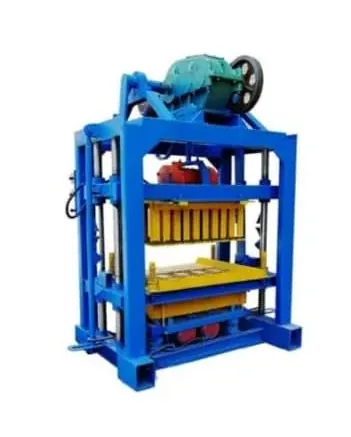
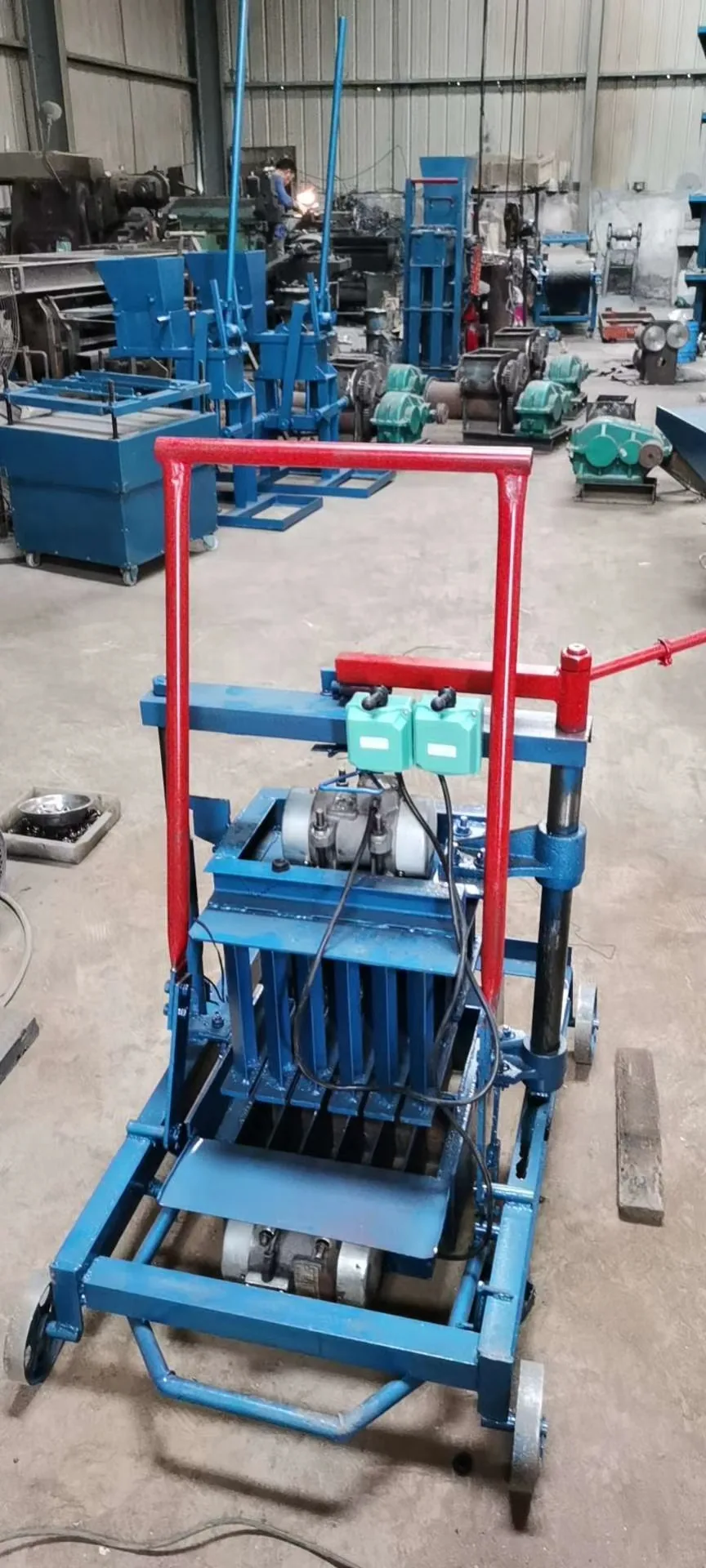
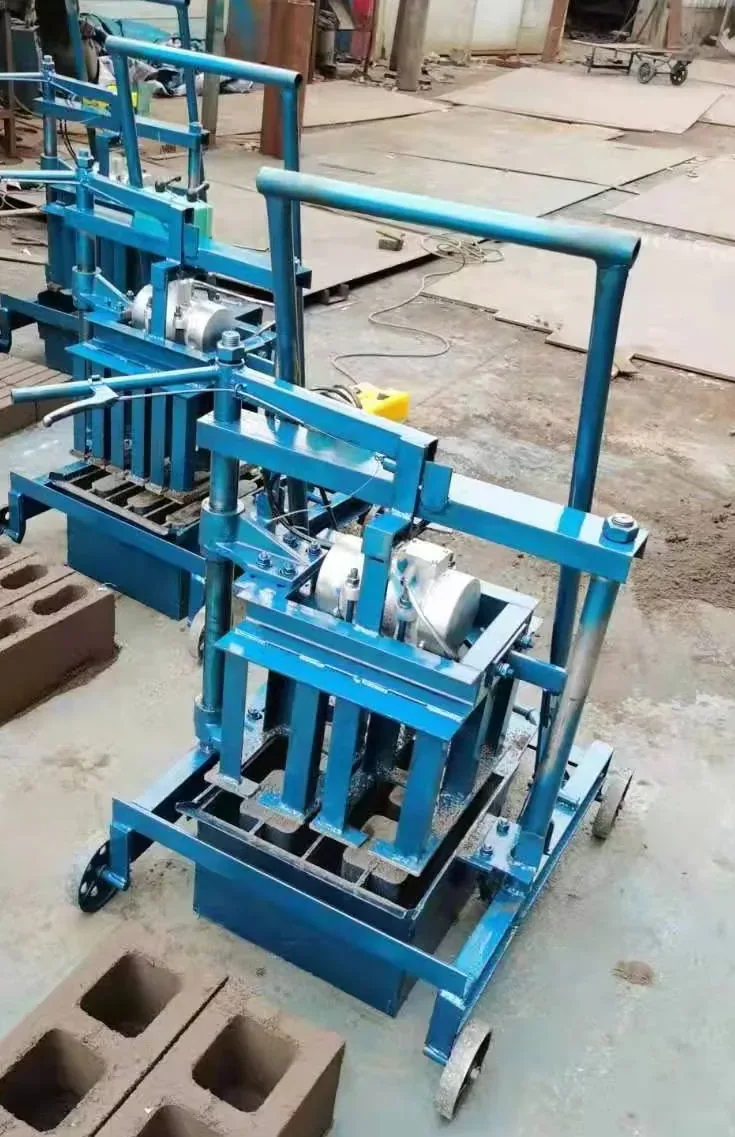
The mobile end of this range moulds on a chassis carried by pneumatic wheels, so the machine is taken to the material rather than the material being carried to the machine. That is what a yard producing blocks in more than one place, or a contractor moving between sites, is buying — and it is the whole of the demand behind a portable block machine.
All four run the same 45-second cycle and differ in drive and output. The R2-45 produces about 3,600 standard bricks or 600 hollow blocks in an eight-hour shift from a 1.1 kW motor. The R3-45 roughly doubles that, to 8,000 standard bricks, on the same motor and the same cycle. The R4-45 raises it to about 12,000 with a 3.7 kW drive sized for heavier and multi-cavity mould boxes.
The RD2-45 is the range's diesel brick making machine: an 8 hp engine, no mains connection at all, and the same output as the electric R2-45. It exists for sites where there is no grid supply, or where the supply is not steady enough to run a machine.
The R4-35 series is the fixed-yard end of the range. It occupies the same footprint class as the R4-45 but runs a 35-second cycle rather than 45, and its frame is taller so that it can carry a charging hopper.
A hopper holds raw material above the mould box and feeds it continuously instead of it being shovelled in by hand. On this series the hopper version is the difference between 15,000 standard bricks per shift on the R4-35A and 20,000 on the R4-35AH.
The choice between the two ends of the range is usually made on volume rather than on machine size. A yard that pours in one fixed position and wants the highest brick count per shift wants a 35-second machine. A buyer who has to reposition the machine between stockpiles or sites wants one of the 45-second mobile models.
R4-35A Block Moulding Machine · How to choose a block making machine
Every machine in this line ships with one steel mould box, and the profile it produces is a property of that box rather than of the machine. A second box is what lets one machine run a different product: a 240 × 53 × 115 mm standard brick, a 390 × 190 × 190 mm hollow block, or a paver.
Pavers are therefore a mould question on this range rather than a separate machine. Custom mould boxes for pavers and shaped blocks are listed against the R4-35 models, where a multi-cavity box is what raises the number of pieces produced per cycle. Mould profiles are quoted separately from the machine.
Buyers reach this page through several spellings and shortenings of one idea. A block moulding machine, a block making machine and a block molding machine are the same machine: the trade writes "moulding" in Britain and "molding" in the United States, and uses "making" as the broader term. The model names on this page use the -ould- spelling.
The short forms work the same way, and they are common in Nigeria and across West Africa. Block mould, block moulder and block machine are all used for the machine itself, because in the trade the machine and the mould it carries are often named interchangeably. In practice a buyer asking for a block mould is almost always asking for a block moulding machine.
One more name is worth knowing, because buyers use it: a block yard machine. That is how the machine gets named from the yard it sits in rather than from what it does, and it usually means the same equipment as a block moulding machine — the machine that moulds the blocks the yard sells. Both kinds in this range do that job, and the choice between them is a question of whether the work goes to the block or the block goes to the yard.
If what you need is the mould itself — the box that fits inside a machine and gives the block its profile — that is a separate item and it is not listed on this page. Interlocking paver moulds, hollow brick moulds and steel mould boxes are listed under paver and brick moulds. Every machine in this range is quoted with one mould and can take additional ones.
The distinction that does matter here is not the name but the drive and the cycle — electric or diesel, and 45 seconds or 35 seconds. Those two choices set the output, and the output is what decides which model fits a yard.
Buying a block machine from China means committing to a machine you have only seen as a photograph. For buyers in Kenya that step can be shortened: demonstration machines are kept at our Nairobi warehouse and can be inspected before an order is placed, so the frame, the mould box and the controls are examined in person rather than on a specification sheet.
The machines are still built and shipped from China. The Nairobi site holds demonstration units rather than sale stock, and the difference is worth stating plainly — it does not shorten the lead time, it removes the risk of ordering from a picture.
What is local is the service. Installation and after-sales are handled in Kenya, and delivery covers the neighbouring East African markets. Freight, clearance and lead time are quoted per destination country rather than as one regional rate, so state the delivery country when you enquire. The Kenya contact is 0799 921 366, or +254 799 921 366 from outside the country.
Arrange an inspection in Nairobi · How to choose a block making machine
Nigeria is served by direct export from China, so the order runs from build to crate to ship to clearance rather than from local stock. Routes used so far go through Lagos — Apapa and Tin Can — and through Onne. The port is settled with the buyer at quotation stage, because inland transport from Onne and from Lagos differs enough to change the delivered cost.
The supply is the specification most often missed. Nigerian sites run at 230V/50Hz. The 220V option in this range is the one specified for that supply; the frequency is the part that has to be confirmed, because a motor wound for 60Hz runs at the wrong speed on a 50Hz supply and cannot be re-rated at the yard. Motors are therefore configured to the destination supply on request rather than shipped at one fixed rating, so state both the voltage and the frequency when ordering.
Importing machinery into Nigeria also runs through SONCAP, and the part that catches buyers out is timing: it is a pre-shipment conformity process, not something resolved when the container reaches the port. The documents and the sequence are set out in the SONCAP guide. The practical consequence for scheduling is that certification is completed before shipment, which is why the lead time on a Nigerian order includes it.
SONCAP import guide for Nigeria · Send your port and supply details
More questions are answered on the FAQ page.
Between 3,600 and 20,000 standard bricks per shift, depending on the model. The smallest machine, the R2-45, produces 3,600 standard bricks (240 × 53 × 115 mm) or 600 hollow blocks (390 × 190 × 190 mm) per shift. The R4-35AH and R4-35BH, which both use a hopper, reach 20,000 standard bricks or 3,200 hollow blocks per shift.
The 45 series machines cycle in 45 seconds and the 35 series in 35 seconds. A shorter cycle means more moulds per hour from the same machine, which is why the 35 series is specified where output matters more than machine weight.
Most models run on a 380V or 220V electric motor, ranging from 1.1 kW on the R2-45 to 6.3 kW on the R4-35BH. The RD2-45 is the exception: it is driven by an 8 hp diesel engine, which suits sites with no reliable mains supply.
Motor power, and consequently output per hour. The R4-35A carries a 4.8 kW motor and the R4-35B a 6.3 kW motor; both mould in 35 seconds and both are offered with or without a hopper. The 6.3 kW version weighs about 50 kg more.
A hopper holds raw material above the mould box so it feeds continuously instead of being shovelled in by hand. On the R4-35 series the hopper version raises output from 15,000 to 20,000 standard bricks per shift, which is the largest single jump in the range.
A mobile block moulding machine carries its own wheels and is moved to the material, so it suits a yard producing blocks in several places or a contractor working on scattered sites. The R2-45, R3-45, R4-45 and RD2-45 are the mobile models. A stationary machine stays in one position and is fed a higher volume: the R4-35 series, on a 35-second cycle, is the fixed-yard choice. Output decides it more often than machine size, and the range covers 3,600 to 20,000 standard bricks per shift.
Yes. The R2-45, R3-45, R4-45 and RD2-45 are portable block machines on pneumatic wheels, and the smaller two can be repositioned by hand — the R2-45 weighs 200 kg and the R3-45 300 kg. That mobility is the reason to choose one of them over a fixed machine, which has to stay where it is installed and run from a permanent power supply.
In practice, yes. Block mould, block moulder and block machine are short forms used for the block moulding machine itself, and in Nigeria and across West Africa a buyer asking for a block mould is almost always asking for the machine, because the trade names the machine and the mould it carries interchangeably. The mould, as a separate item, is the box that fits inside a machine and gives the block its profile; those are listed under paver and brick moulds, and every machine in this range is quoted with one mould and can take additional moulds.
It is the machine a block-making yard is built around — the one that moulds the blocks the yard sells — so the name comes from the yard rather than from what the machine does. In practice it means a block moulding machine, and both kinds in this range do that job: a mobile machine on pneumatic wheels that is taken to the material, or a stationary machine with a charging hopper that stays in one position and is fed a higher volume. Which one suits depends on whether the yard produces in one place or in several.
Yes. Demonstration units are kept at the Nairobi warehouse and can be inspected before an order is placed. They are demonstrators rather than sale stock, so the machine you buy is built and shipped from China; what the visit removes is the uncertainty of buying from a photograph. The local contact is 0799 921 366, or +254 799 921 366 from outside Kenya.
Installation and after-sales are handled in Kenya, and delivery covers the neighbouring East African markets. Freight, clearance and lead time are quoted per destination country, so give the delivery country when you enquire.
Motors are configured to the destination supply rather than shipped at one fixed rating. Nigerian sites run at 230V/50Hz, and the 220V option in this range is the one specified for that supply. 50Hz is the part that must be confirmed at order: a motor wound for 60Hz runs at the wrong speed on a 50Hz supply and cannot be re-rated after it arrives.
Lagos — through Apapa or Tin Can — and Onne are the routes used so far. The port is agreed with the buyer at quotation stage, because inland transport from Onne and from Lagos differs enough to change the delivered cost.
Before shipment. SONCAP is a pre-shipment conformity process rather than a clearance step, so the certificate is arranged ahead of the container leaving, and that time is already inside the lead time quoted for a Nigerian order.
Tell us the capacity, the power supply you have and the destination port. We will confirm which model in this line fits and quote it with packing dimensions.